Character Agency

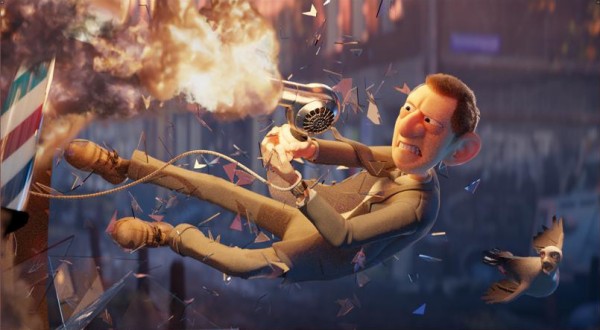
Agent 327 - A great example of a character with heaps of agency.
Stories do not “happen” to high agency characters. Instead, it is high agency characters that make stories happen.
What is Character Agency?
Agency is the willingness and ability to take action, through a character’s own volition. Characters with high agency have goals, and actively pursue them. Whether the actions they take in pursuit of those goals, are the right actions, is a completely different matter. A high agency character can make a complete mess of something, but something did happen as a result – the story moved along. That can be entertaining, exciting, frustrating, or any manner of other emotions for the reader – but the reader has been carried along in the story as they follow the high agency character’s blunders and triumphs.
Characteristics of high agency characters are
- Proactive: They take initiative rather than waiting for circumstances to change.
- Resourceful: They find creative solutions to obstacles.
- Resilient: They persist in the face of adversity and do not easily give up.
- Self-Determined: They believe in their ability to influence outcomes and take ownership of their actions.
They actively shape their destinies and confront challenges head-on. They don’t sit on their backsides waiting for something to happen.
In contrast, a low agency character just drifts along letting things happen to them. It’s harder to become engaged in reading about a low agency character. If they’re not going to take action to change the situations they find themselves in, are they really worth caring about? A character with low agency isn’t likely to be very interesting. Things become interesting when the low agency character begins to take control of their lives and take action to respond to the challenges around them. Many coming of age stories are about low agency characters (kids) taking control of their lives and gaining agency as they grow towards adulthood.
Low agency characters can have great supporting roles. They can be cool, cute, wise, but never the driver of the story. They can add colour, humour, and feeling to the story, but if they weren’t there, the story would still be the same.
Characteristics of low agency characters are;
- Reactivity: They respond to events rather than initiating action.
- Victim Mentality: They often see themselves as victims of circumstances.
- Lack of Initiative: They rarely take steps to change their situation.
- Dependence on Others: They may rely on other characters to drive the plot forward.
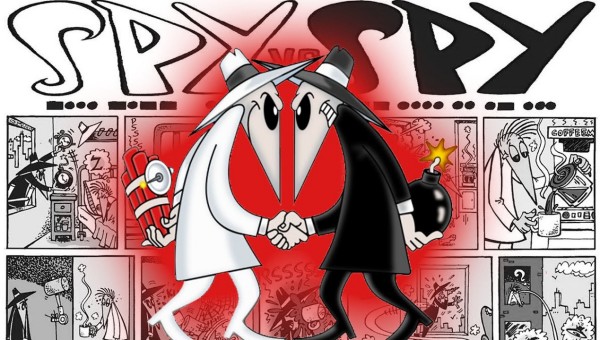
Spy vs Spy - High Agency Characters in conflict
Exploring Examples of the Different Types of Agency
There are four main types of character agency; high, low, growth, and situational. The characters may move between the different types, depending on the situation, and their personality. The main character doesn’t need to be a high agency character. The high agency character may be in a supporting roles. In a story, or scene, which character has the most agency can add conflict and tension as the characters try to pull the story in their own directions. Both the hero and the villain are likely to be high agency characters.
High Agency
High Agency characters will take action, for good or ill.
- Bertie Wooster – Jeeves and Wooster. Wooster is a high agency character but only kept on track by another high agency character, Jeeves.
- Hermione Granger - Harry Potter Series. Uses her intelligence and resourcefulness to solve problems.
- Frodo Baggins - The Lord of the Rings. Takes on a pretty big challenge.
Low Agency
Low Agency characters will take the path of least resistance.
- Red Riding Hood – She doesn’t actually do anything for herself.
- Arthur Dent - The Hitchhiker’s Guide to the Galaxy. Arthur gets carried along with events rather than shaping them. He is teamed up with multiple high agency characters. Although Arthur doesn’t have much agency, his personality gives colour and flavour to the story, and is the conduit through which the story develops through the actions of those around him.
- Dick- The Famous Five Books – Dick is the relaxed one who generally goes along with the group’s plans.
- C3PO – Star Wars. C3PO doesn’t take action on his own, and bemoans the situations they find themselves in.
- Piglet – Winnie the Pooh. Generally, Piglet takes his lead from Pooh, and is paralysed with fear most of the time.
Growth Agency
Growth Agency characters initially start out with low agency, but through challenges, mentorship, and growth they gain agency. They make excellent main characters, because it’s engaging to follow their growth through the story.
- Titus Groan – Gormenghast series. Titus is the 77th earl and lord of Gormenghast, and mired in the rituals of the role. He eventually breaks free, and runs away from Gormenghast.
- Bilbo Baggins – The Hobbit. Initially Bilbo is quite comfortable at home, until he gets dragged off with Gandalf and the gang of Dwarves. Through the story he gains agency, becoming strong enough to stand up against Thorin, when he realises Thorin is leading them to disaster.
- Samwise Gamgee – Lord of the Rings. In the first part of the story, Sam is taking Frodo’s lead, but as the story progresses, he increasingly supports Frodo, physically and mentally, and makes decisions that substantially affect the story.
Situational Agency
Situational Agency is when a low agency character steps up to take an active role in a story because the situation demands it. It can also run the other way where a high agency character finds themselves in a situation where they are unable to take action.
- Thorin Oakenshield - The Hobbit. Most of the time Thorin is much the same as any of the dwarves, but when some Kingly action is required, he steps up to make some really bad decisions.
- Anne - The Famous Five Books. Most of the time Anne is swept along with the rest of the group, sometimes against her better judgement. At a pinch, or in certain situations where she is better skilled than the others, she has agency.
- Marvin - The Hitchhiker’s Guide to the Galaxy. Due to being depressive and paranoid, Marvin has a victim mentality and spends his time moaning about the situations they’re in and won’t take action despite his considerable capability to do so. It is only in extreme situations, that he will take decisive action which has a large effect on the story.
Giving Characters Agency
Fundamental to character agency is making choices to advance towards the character’s goal, or in response to some sort of motivation. In order to make your character have agency, give them goals, aspirations, and give them the opportunities to make decisions that will carry them towards those goals (whether it is the right direction is another matter.)
- The character’s desires, motivations, goals and aspirations need to be clear. They need to be very clear in the character’s mind, and also clear to the reader.
- Introduce challenges and conflicts that require the character to make their own decisions and take actions that will influence the plot and shift them relative to their goals.
- Let them experience the consequences of their decisions. This adds depth and realism, and may also mean their goal gets harder if adverse events are triggered by their actions.
- Give them the means to affect change. The character may need to gather resources, or skills in order to achieve their goal. Having the character solve problems and make their own decisions, is important. Having someone else ride in and solve the problem for them, steals their agency and is likely to make the reader feel cheated.
Sources
- “Conflict + Choices = Character Agency” - K.M. Weiland
- “Writing Stories with Characters Who Have Limited Agency” - Russell Mickler
- “How To Write High Agency Characters” - P.S. Hoffman
- “What It Means to Be High Agency” - Andrew Yeung
- “How to Give Your Character Agency and Why It Matters” - Stacy Frazer
Writing Challenge: Character Agency
Here are some suggestions for playing around with character agency.
- Take a fairy tale and change the amount of agency the characters have. If it makes a better story, use another character for the story’s point of view, or protagonist. How different Little Red Riding Hood would be if Grandma had a lot more agency.
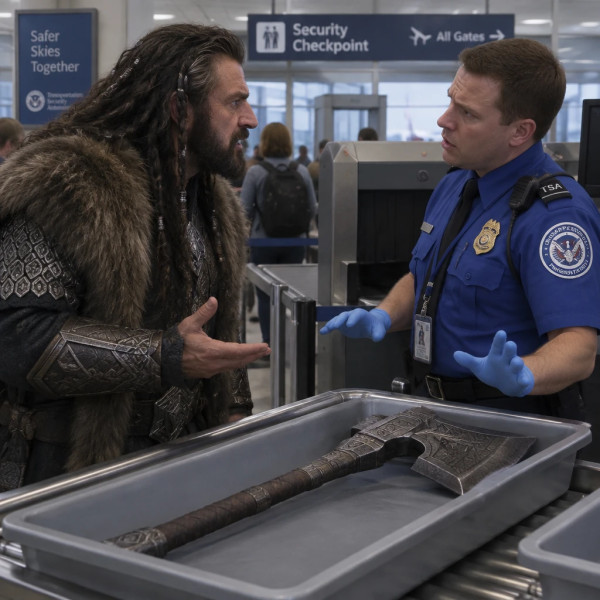
- Taking some of your own characters or some well-known characters from other stories and examine how they approach a problem. You may like to give them a specific problem, and write a vignette or scene, showing how they respond, or you may like to discuss how they would tackle a generic problem. For instance, how would Gandalf, Thorin, or Bilbo solve the problem of getting past a guard or dealing with an officious airport security person.
- Do some Fan-fiction. Take a scene from a favourite book or movie, and replace one of the characters with a new character, or one from your own stories, and see how the scene pans out with the new character in place. How do they react? What decisions and actions do they take that set the story [careening?] off in a new direction.